

Save 25% on your first Autoship Order
Upgrade to Business Account! → Learn More
  1. Preparing for a More Active Season with the Right Equipment

    Spring Into Mobility: Preparing for a More Active Season with the Right Equipment

    Warmer weather, blooming flowers, and a sense of renewal – what’s not to love about spring? For those with spring mobility equipment challenges, this season offers a unique opportunity to do a bit of “spring cleaning” on your current mobility lifestyle. Now is the time to transform your home with accessibility upgrades and encourage adventure by investing in new medical equipment.

    You’ll be ready for all of the outdoor, active activities that warmer weather is made for! With the right mobility equipment, there’s no need to worry about saying “no” to any social event, travel, or excursion with family and friends.

    Read more to learn about our top recommendations to transform your daily mobility this season. 

    Essential Mobility Equipment for Spring

    A new season means a new world of outdoor activities – the right mobility device can be your ticket to freedom. 

    Outdoor Power Wheelchairs

    Outdoor power wheelchairs are designed for both indoor and outdoor use, offering a balance of maneuverability

  2. Modular Ramps

    The Ultimate Guide to Modular Ramps: ADA Compliance & Home Accessibility

    What are Modular Ramps?

    Want the benefits of a permanent accessibility ramp, without the commitment or cost?

    Modular ramps are ramps that are composed of individual sections that can be connected in order to create a custom pathway. With modular ramps, you’re guaranteed to have a ramp that perfectly fits your home, business, or facility!

    Modular ramps are typically made from extra durable materials like aluminum and steel– they are corrosion-resistant, long-lasting, and can withstand harsh weather conditions. Best of all? They are non-permanent and can be moved or broken down as needed!


    Key Benefits of Modular Ramps

    • Customizable Design: Modular ramps can fit any space or configuration. Have a walkway with a turn? What about an extra-long walkway? No matter what your space looks like, a modular ramp can be customized to fit it like a glove.
    • Portability: Need to move to a new location? Simply disassemble the ramp, pack it up, and move. Modular ramps are non-permanent and easy to relocate.
  3. Stay Mobile This Season: Top 5 All-Terrain Mobility Scooters for Fall and Winter Adventures

    Stay Mobile This Season: Top 5 All-Terrain Mobility Scooters for Fall and Winter Adventures

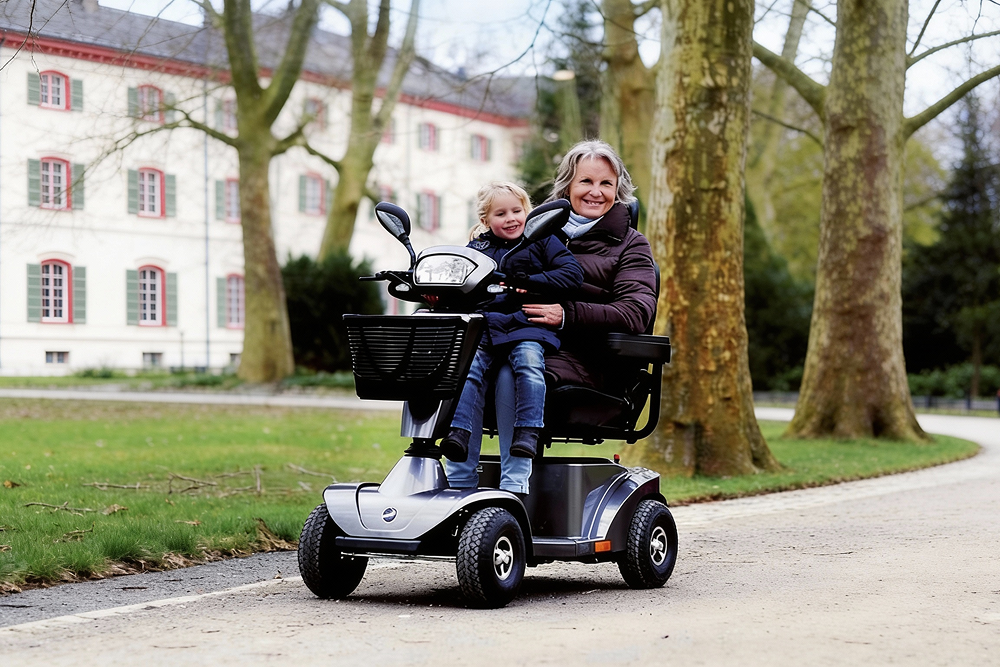
    As the seasons change and the leaves start to turn, it can become more challenging to keep up a busy lifestyle. During rainy days or when leaves start filling sidewalks, a standard mobility scooter just may not cut it anymore.

    Thankfully, challenging weather conditions don’t mean you have to stop the activities you love! All-terrain mobility scooters are a durable, versatile, and reliable solution to keep you active all year long.

    All-terrain mobility scooters are a specialized type of mobility scooter designed to handle challenging terrains and outdoor environments. Read on to learn about the benefits of all-terrain scooters, as well as our top five picks for the best mobility scooters on the market.

    Benefits of All-Terrain Mobility Scooters

    • All-Terrain Accessibility: Safely travel through all kind of paths, including grass, gravel, and even light snow.
    • Safety Features: Enjoy peace of mind with extra-sturdy frames, full lighting systems, and wide tires.
    • Upgraded Comfort: Relax in large,
  4. Navigating Travel with Limited Mobility

    Traveling With Mobility Limitations: The Best Accessibility Aids for Your Trip

    There’s nothing more tiring than a long travel day, and it can be even worse for individuals who require extra support. How do you stay safe and comfortable while on your feet all day, without your home hospital bed, or navigating uneven paths?

    In this guide, we’ll cover the top travel products and mobility aids to consider for yourself or a loved one. These items can be folded, disassembled, and brought with you to any destination.


    There’s nothing more tiring than a long travel day, and it can be even worse for individuals who require extra support. How do you stay safe and comfortable while on your feet all day, without your home hospital bed, or navigating uneven paths?


    In this guide, we’ll cover the top travel products and mobility aids to consider for yourself or a loved one. These items can be folded, disassembled, and brought with you to any destination. 

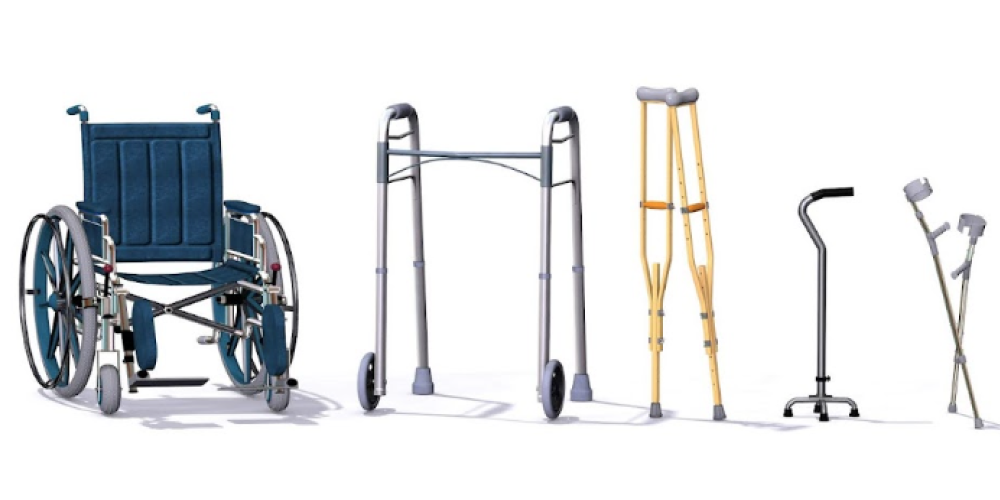
    Mobility AidsMobility Aids

    Mobility Aids: Getting Around With Ease

    The right mobility aid can help you or a loved one drive through unfamiliar streets

  5. Is a Rollator Right for me? What You Need to Know

    Is a Rollator Right for me? What You Need to Know

    Are you or a loved one struggling with balance or fatigue while walking?

    It may be time to consider a mobility aid. Aids like rollators can provide the support needed to maintain independence and improve quality of life.

    What is a Rollator?

    Rollator

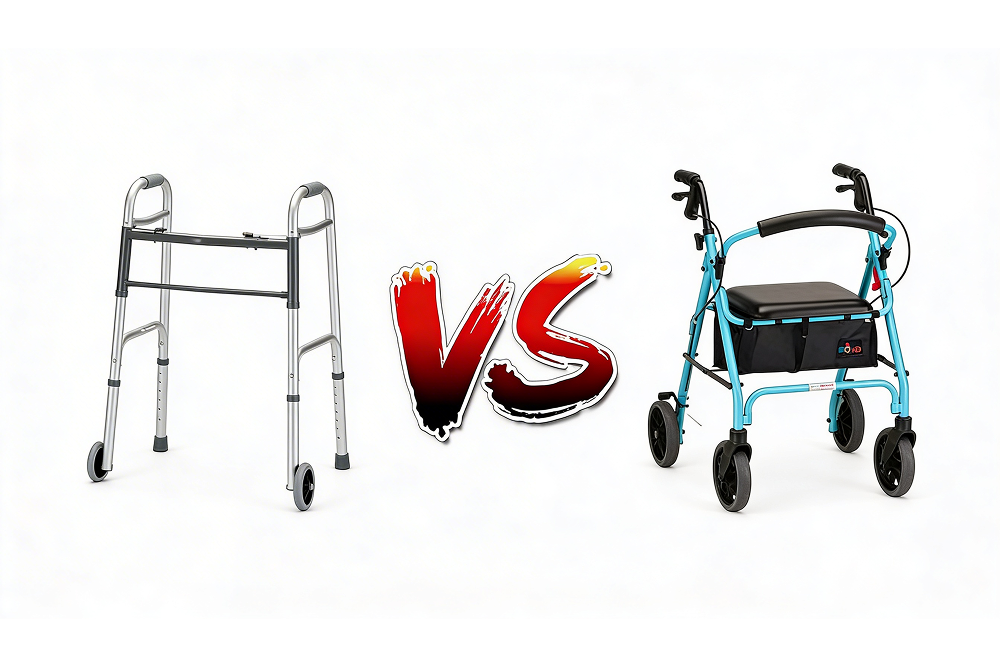
    A rollator is a type of mobility aid that helps users walk more independently. They have 3 or 4 wheels, making it easy to roll the device while walking. Rollators also have a built-in seat for an easy way to stop and rest whenever you need a break.

    Who Can Benefit from a Rollator?

    Rollators provide a helping hand for those who can walk on their own, but need an extra bit of stability.

    Ideal for users who:

    • Have limited mobility, but enough strength to control the rollator
    • Struggle with balance or fatigue when walking long distances
    • Have conditions like arthritis, Parkinson’s disease, or recovery from an acute injury
    • Need to sit down and rest often while walking
    • Struggle to carry their belongings on their own

    Walker vs Rollator: What’s the difference?

  6. Medical Mobility Devices: Should You Use Insurance or Self-Pay?

    Medical Mobility Devices: Should You Use Insurance or Self-Pay?

    Whether from illness, injury, or age, it’s common for many individuals to need mobility devices and home medical equipment for their everyday lives.

    You may have the option of two different “pathways” for getting your medical mobility device:

    • Insurance Approval: Gain approval from your insurance company (such as Medicare), which will then partially or fully cover the cost of the equipment.
    • Self-Pay: Pay in full for the mobility device yourself.

    Why Consider Your Payment Options?

    While it may seem like a “no-brainer” to go through insurance for mobility devices, insurance isn’t always the best option.

    While insurance-approved devices can alleviate some of the financial burden, there are often complicated approval processes, limited customization available, and other drawbacks to consider.

    Let’s go over some of the most important “pros and cons” of insurance vs self-pay for mobility devices, so that you can make an informed decision for yourself or a loved one.

    Insurance vs Self-Pay: Pros

  7. Never Miss a Game: The Football Fan's Guide to Meeting Mobility Needs

    Never Miss a Game: The Football Fan's Guide to Meeting Mobility Needs

    Football season is finally here! As a fan, there's nothing quite like the thrill of being in the stands, cheering for your team and soaking in the atmosphere.

    For those with mobility restrictions, going to a game can sometimes feel like a daunting task. Sitting for hours at a time, endless stairs, and dealing with inclement weather can put a damper on even the most exciting games.  In this blog post, we'll go over everything you need to know to enjoy a game day without sacrificing your comfort or safety.

    Before Game Day

    • Check for accessible seating: Review seating options online, or contact the venue to ask for their accessible seating options. This is especially important if you use a wheelchair or powerchair since they usually require special seating preferences. Even if you don’t require accessible-assigned seating, you may want to intentionally purchase seats at the end of a row for more legroom and easier transfers.
    • Research transportation: Make sure you know what your transportation